AC Sizing Guide: How to Choose the Right Unit for Your Home
An AC sizing guide: how to choose the right unit for your home gives you steps to match your space with the best air conditioning system. You want the right size for comfort, power savings, and the long life of your unit. A unit that is too big chills the room quickly, but wastes electricity and leaves you too damp. A unit that is too small runs constantly and still feels warm. Square meters, ceiling height, window size, and your local weather all play big factors. A lot of people want fast answers, but a smart pick comes from examining your home’s actual requirements. To assist you in feeling confident with your selection, the following guide dissects each major component for you.
Key Takeaways
- AC sizing guide: how to choose the right unit for your home
- How to determine the right size AC unit for your home
- Both oversized units can cause uneven cooling, elevated energy bills, and insufficient humidity control. Undersized units may have trouble cooling your space and wear out quickly.
- Go over AC specs like BTUs, SEER2 ratings, and tonnage to make sure the unit fits your cooling needs and provides long-term savings.
- Think about expert load calculations, such as the Manual J strategy, or utilize online calculators for a rough estimate and speak to HVAC experts for the best sizing.
- Think about future changes: home renovations, climate changes, and occupancy changes, so your AC system can stay efficient and effective.
Why AC Size Is Crucial
Selecting the ideal air conditioner size impacts how efficiently your HVAC system operates, your expenses, and its longevity. When it comes to your air conditioning, size matters. A properly sized AC unit for your space cools rooms quickly, maintains low energy consumption, and helps the air feel fresh. If your home lies in a hot, moist region or has vaulted ceilings, leaking attic spaces, or jammed rooms, you might require more power than you anticipate. You see, size matters not just for cooling but for saving money over the years.
The Oversized Unit
Oversized air conditioners cool rooms too quickly, leading to hot and cold spots throughout your home. You may shiver in the family room while perspiring in the foyer. This rapid burst of cold air causes the unit to turn off before it can adequately extract moisture from the air, resulting in a clammy atmosphere. Such short cycles consume more energy, causing your bills to rise even though the indoor temperatures don’t always feel comfortable. If your home suffers from poor insulation or faces the sun all day, you might think a larger unit is beneficial, but it leads to frequent cycling, which wears out components faster and increases energy costs. Many homeowners find that their bills increase while their comfort does not improve.
The Undersized Unit
A small air conditioning unit runs non-stop, attempting to cool air it simply cannot reach, which stresses every component in the HVAC system and decreases its lifespan. When heat waves strike, these units lag, making rooms stuffy and sticky, particularly in residential homes with lofty ceilings or large families. If you’re in a hot climate or have south or west-facing rooms, an undersized AC system will never catch up, leading to higher power bills and more repair calls as the unit struggles to function. Comfort disappears, and expenses increase.
How to Determine AC Size
Selecting the right air conditioner size is crucial for maintaining comfort and conserving energy. A ton of variables influence your cooling needs, from your home’s layout to its insulation quality. Every detail aids in choosing a properly sized AC unit that fits your budget and location.
1. Square Footage
First, calculate the square footage of your entire home to determine the right air conditioner size. Make a list of every room, including odd spaces like lofts or sunrooms, and add them up. Typical calculations assume an eight-foot ceiling, but if you have high ceilings, you’ll need additional cooling. Multiply your total square meters by 20 to 25 BTUs. For instance, a 2,000 square foot home requires roughly 40,000 to 50,000 BTUs or a 3 or 3.5 ton AC unit. The bigger the room or the more people that use it, the more cooling it might require.
2. Climate Zone
Climate dictates the right AC unit size. If you reside somewhere hot, you’ll require a bigger air conditioning unit to contend with the heat. In cooler regions, you can frequently get away with smaller air conditioners. Humidity matters too; humid climates put more strain on your HVAC system, so you might require additional capacity. Check seasonal extremes, not just averages, to remain comfortable year-round. For customized results, locate your specific climate zone on the map or chart.
3. Home Layout
The shape and flow of your home significantly affect how air moves, making it crucial to consider the right air conditioner size. Open spaces necessitate a different approach to cooling compared to homes with multiple closed rooms. For instance, if you have multiple floors, an oversized air conditioner may lead to inefficient cooling, as cool air sinks downstairs, possibly requiring additional cooling for the upstairs.
4. Insulation Value
Quality insulation significantly impacts your home’s indoor air quality by keeping the cold in and hot air out. If your walls, roof, or attic are poorly insulated, your air conditioning unit strains to maintain comfort. Well-insulated homes tend to require a properly sized AC unit, reducing energy costs and enhancing efficiency ratings. Upgrading insulation can effectively shrink your cooling needs and expenses.
5. Window Impact
Windows let in light but also heat, especially large sun-facing glass that heats up quickly. Observing their size, shape, and orientation is crucial. Double-glazed glass and shades can reduce heat gain, improving indoor temperatures. This easy repair helps your air conditioning unit operate more efficiently and prolongs its lifespan.
 Decoding AC Specifications
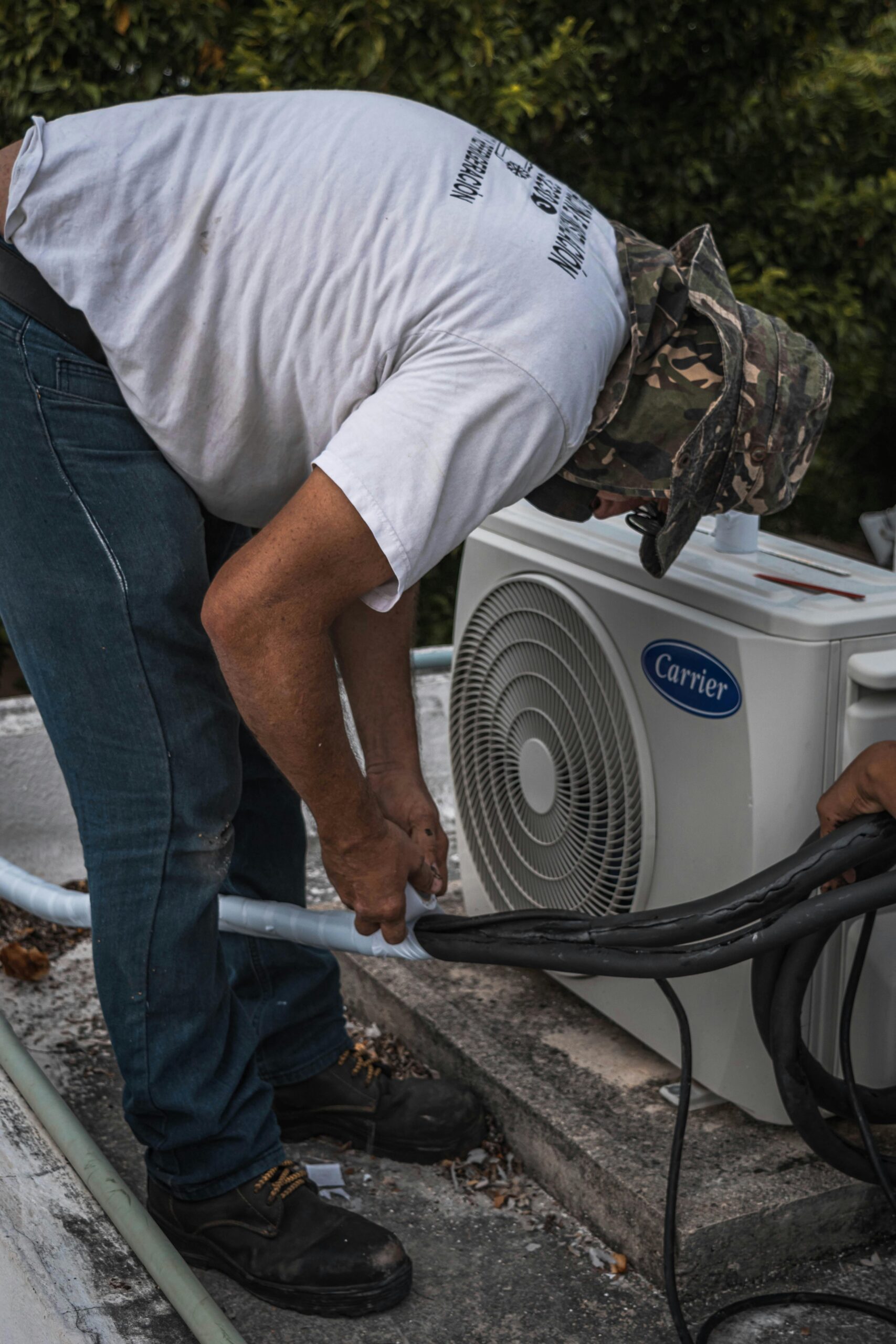
When you purchase a new air conditioner, decoding its specs puts you in charge of comfort, expense, and efficiency. You have to balance factors like BTUs, SEER2, and tonnage to ensure the right AC size suits your home’s unique cooling needs, not just today but for years down the line. These considerations allow you to pair an AC’s power with your room size, estimate your energy bills, and benchmark models across brands.
BTUs
BTUs demonstrate how much heat an air conditioning unit can extract from a room per hour. The higher the BTU rating, the more powerful the cooling, but more isn’t always better. An oversized air conditioner can cool too fast, failing to pull enough humidity, while an undersized AC system will run nonstop without chilling you. For proper sizing, calculate the square footage of your room. A space of 28 to 37 square meters (300 to 400 square feet) typically requires 8,000 to 10,000 BTUs. If you have an open plan layout, sun exposure, or high ceilings, you’ll likely need a larger system capacity.
| Room Size (m²) | Room Size (sq ft) | BTUs Needed |
| 14–23 | 150–250 | 5,000–6,000 |
| 23–28 | 250–300 | 7,000–8,000 |
| 28–37 | 300–400 | 8,000–10,000 |
| 37–46 | 400–500 | 10,000–12,000 |
| 46–56 | 500–600 | 12,000–14,000 |
SEER2 Ratings
SEER2 stands for Seasonal Energy Efficiency Ratio 2, which measures the cooling output of an air conditioning unit against the energy it consumes during an average season. A higher SEER2 indicates lower running costs, making it essential to consider the right air conditioner size for your home. For the most economical bills, aim for units with a SEER2 of 16 or above, as they use about 35 percent less electricity than older models. Remember, while a high SEER2 unit won’t cool faster, it will provide efficient cooling at a lower cost, especially in hot climates where the EER2 rating becomes vital for peak performance.
Tonnage
Tonnage is yet another way to size your AC. One ton equals twelve thousand BTUs per hour. For instance, a 2.5-ton unit cools like a thirty-thousand BTU unit. Match the tonnage to your space for consistent, uniform comfort. Too many tons of waste energy, while too few cause poor cooling.
| Home Size (m²) | Home Size (sq ft) | Tonnage Needed |
| 46–93 | 500–1,000 | 1.0–1.5 |
| 93–139 | 1,000–1,500 | 2.0 |
| 139–186 | 1,500–2,000 | 2.5 |
| 186–232 | 2,000–2,500 | 3.0 |
The Professional Load Calculation
Getting the right air conditioner size begins with a professional load calculation. This process is not a shot in the dark; rather, it’s a thorough method that balances the actual requirements of your home. HVAC professionals play a crucial role here, using these calculations to look beyond square footage. They measure and account for various factors such as the construction of your house, the condition of your insulation, and the quality of your windows and doors, as well as the design of your ductwork. By verifying ceiling height, window positioning, local climate, and more, they ensure that you avoid choosing an oversized air conditioning unit or undersized AC system, which can lead to increased bills, repairs, and discomfort in the long run. A comprehensive load calculation is essential for efficient cooling and maintaining comfort.
DIY Calculators
Online DIY calculators provide a convenient starting point if you are looking for a rough idea of what size AC might work for you. You’ll be queried for your home’s square footage, number of rooms, and occasionally window size or sun exposure. Just plug in these numbers, and you’ll receive a rough estimate of the right AC size in BTUs or tonnage. For instance, a 90m2 house in a hot climate might indicate a requirement for approximately 18,000 BTUs or just over 1.5 tons of cooling.
These calculators are quick and convenient, but not precise. They don’t account for variables like insulation quality, ceiling heights, or the heat generated by your appliances. Take their findings as a rough estimate, not gospel. They can assist you in posing the appropriate questions when discussing with a certified HVAC professional. Always check your results with a professional HVAC contractor.
Manual J Method
The Manual J method is the load calculation gold standard for determining the right air conditioner size. Professionals rely on it for one reason: accuracy. This method precisely calculates the cooling your home requires in BTUs or tons, considering factors like square footage, insulation quality, window performance, air leaks, and local weather patterns. These specifics directly influence the cooling capacity your house truly needs, ensuring a well-sized AC unit for efficient cooling.
Manual J has evolved as homes and materials have improved. Today’s calculations factor in better windows, tighter seals, and smarter insulation. HVAC professionals utilize this method to determine the proper tonnage rating, which typically ranges from 1.5 to 5 tons for most residential air conditioners. This ensures your HVAC system operates at peak efficiency with minimal strain. By relying on a certified contractor who implements Manual J, you receive an HVAC unit tailored to your home’s unique cooling needs, rather than a rough estimate.
Future-Proofing Your Choice
Future-proofing your decision for the right air conditioner size doesn’t stop with the present moment. You want to ensure your HVAC system will continue to serve you well as your unique cooling needs, home, and even your climate evolve.
Home Renovations
If you’re planning to modify your home, such as constructing a new room or rearranging the floor plan, your current air conditioning unit might not be sufficient. Home additions translate to more space to cool, and even a small sunroom or finished basement can tip the scale. New windows or upgraded insulation quality can reduce your cooling load, but cavernous spaces or abundant glass will drive it up. For instance, a spacious open-plan living room with numerous windows in a warm climate will require a properly sized AC unit than a closed plan with fewer windows. Always consult with an HVAC professional before making significant changes. They can assist you in running a residential load calculation, which considers factors such as insulation, ductwork, and window efficiency. This helps you select the right air conditioner size from the beginning, so you’re not stuck with either sky-high bills or steamy bedrooms in the future.
Climate Shifts
The weather is shifting around the globe, and in certain regions, things are becoming warmer or more humid on an annual basis. If you reside somewhere with increasing temperatures, you might require a more powerful or efficient air conditioning unit than previously. For instance, a home in an area experiencing new heat waves may require a properly sized AC unit to remain comfortable. You’ll want to prioritize systems with a higher SEER2 rating since these consume less energy and respond better to evolving energy regulations. Good insulation quality and sealed ducts help your HVAC system keep up, even as the outside world changes. It’s clever to consider potential add-ons, such as a smart thermostat or new air filters, to remain cozy while the climate fluctuates.
Occupancy Changes
The number of people occupying your residence can significantly alter your cooling requirements, making it essential to consider the right AC size for your home. If you’re planning on having more family members, frequent guests, or a home office, your air conditioning unit may have to put in some more overtime. More bodies and more electronics create more heat inside, particularly in the hotter months. For instance, converting a spare room into an office with computers and lights will add to the cooling load. If you anticipate changes, talk them over with your HVAC professionals, who can help you size your system appropriately for efficient cooling. Systems with flexible controls or upgrade options for the future can assist you as your family evolves.
Your Home’s Supporting Systems
Supporting systems in your home are the backbone of comfort and energy consumption. They work in the background, assisting your air conditioning unit to run efficiently and effectively. If these systems aren’t in shape, even the right air conditioner size can still waste energy or leave the air feeling uneven.
Ductwork Health
Blockages, loose joints, or gaps in your ductwork impede the flow of air, affecting the right air conditioner size for your home. As a result, some rooms aren’t sufficiently cooled, while others feel stale. If you notice dust in your vents, experience uneven cooling, or hear whistling noises, your ducts deserve a deeper inspection. Damaged or dirty ducts can push up costs, as your AC has to work harder to maintain the set temperature.
Cleaning and sealing ducts can enhance airflow and keep energy bills manageable. If you live in an older home or notice wear, have a licensed HVAC professional assess the ducts. They utilize specialty equipment to detect leaks or blockages and can repair or replace areas that impede your HVAC system’s efficiency. Plan duct checks every few years or sooner if you rearrange your home’s layout.
Air Leakage
Tiny leaks around windows, doors, and attics let cold air out and warm air in. Even small cracks can increase energy bills by causing your HVAC to operate unnecessarily. If you detect drafts or musty smells, they likely hint at leaks.
Sealing these gaps allows your system to cool better and last longer. It prevents dust or pollen from entering and filters the air. You can seal cracks with foam strips, caulk, or weatherproof tape.
Checklist for Air Leakage Inspection:
- Feel for drafts by sliding your hand along the edges.
- Check exterior doors for light or air passing through the frame.
- Check attic hatches and pull-down stairs for leaks.
- Examine wall outlets and switch plates for air movement.
- Review where pipes and cables enter walls.
A home energy audit by a pro can identify sneaky leaks and demonstrate where repairs will do the most good. Repair first, then pick your AC unit size, because sealing up leaks can adjust the load calculation.
Conclusion
Selecting the proper AC size keeps you chilled, saves energy, and saves you money. A unit that fits your room size works better and lasts longer. Easy actions such as checking your square meters, peeking at specs, and having an expert do a load check can make all the difference. Wise decisions today spare you repair bills tomorrow. If your home has good windows and seals, your AC runs more smoothly. Many folks skip the fundamentals and get the wrong fit. For your sanity, verify your stats or consult a professional before you purchase. Start with your needs, scope out your space, and get the cool you desire without the headache.
Frequently Asked Questions
How do I know what size air conditioner my home needs?
You can estimate the right air conditioner size by measuring your room in square meters and factoring in your climate. For precision, use an HVAC size calculator or consult a pro.
What happens if my AC unit is too big or too small?
An oversized air conditioner cools too fast and wastes energy, while an undersized AC unit runs too often and can’t provide efficient cooling, affecting overall indoor air quality.
What is a load calculation, and why is it important?
A load calculation determines your home’s cooling requirements based on insulation quality, windows, and room size, ensuring you select the right air conditioner size for efficient cooling.
Can I use the same AC size for every room?
No, the size, layout, and sunlight exposure of each room impact the cooling requirements for your home air conditioner. Ideally, you should properly size each AC unit or system for your unique cooling needs.
What do BTU and kW mean in AC specifications?
BTU and kW measure the cooling capacity of air conditioners. Bigger numbers equal more cooling muscle, helping you determine the right air conditioner size for your room.
How can I make sure my new AC is future-proof?
Opt for an energy-efficient air conditioning unit, prepare for home expansion with the right AC size, and pick a trusted brand for balanced cooling.
Do my home’s windows and insulation affect AC sizing?
Yes, good insulation quality and quality windows lower cooling requirements. Poor insulation means you will need a bigger or more powerful air conditioning unit to achieve the same comfort level.
Choose the Right System with Expert AC Buying Guides from Superior Mechanical Services, Inc.
Buying a new air conditioning system is a major decision for any property owner. With so many options available, it can be difficult to know which system will deliver the comfort, efficiency, and long-term value your building needs. Superior Mechanical Services, Inc. provides practical AC buying guidance that helps homeowners and business owners make informed choices before investing in a new system.
A well-informed AC purchase starts with understanding the factors that affect performance. System size, energy efficiency ratings, ductwork design, building layout, and climate conditions all influence how well an air conditioner will cool your space. Choosing the wrong system can lead to higher energy bills, uneven temperatures, frequent repairs, or premature replacement. Our AC buying guides explain these critical details so you can avoid costly mistakes.
Superior Mechanical Services, Inc. helps customers compare options such as central air systems, ductless mini-splits, high-efficiency units, and advanced cooling technologies. We break down key considerations such as SEER ratings, long-term operating costs, installation requirements, and maintenance needs. Our goal is to make the AC selection process simple and transparent, so you understand exactly what you are getting and why it fits your building.
For decades, property owners throughout the Bay Area have trusted Superior Mechanical Services, Inc. for honest recommendations and dependable HVAC expertise. Our team helps customers choose systems that fit their space, usage patterns, and budget, while delivering reliable comfort for years to come.
If you are planning to install or replace an air conditioning system, start with clear guidance from professionals who understand the full picture. Explore the AC buying resources from Superior Mechanical Services, Inc. to make a confident decision and choose the system that will keep your property comfortable and efficient.
Disclaimer
The information provided in this article is for general informational and educational purposes only and should not be considered professional HVAC, engineering, or financial advice. While every effort has been made to ensure the accuracy and reliability of the content, details such as costs, energy savings, efficiency ratings, and system performance may vary based on individual home conditions, local climate, equipment specifications, and installation quality.
Actual pricing, rebates, and system capabilities may differ depending on location, utility providers, and eligibility requirements. Readers are encouraged to independently verify all information and consult a licensed HVAC professional or qualified contractor to evaluate their specific needs before making any decisions regarding air conditioning systems or installations.
The author and publisher disclaim any liability for errors or omissions, as well as any outcomes resulting from the use of or reliance on this information.
______________________________________________________________________