Is Your Air Conditioner Short Cycling? Discover the Causes and Solutions
Air conditioning is a crucial component of modern comfort, especially during hot summer months. However, when your air conditioner starts to exhibit issues like short cycling, it can disrupt this comfort and lead to higher energy bills and potential damage to your unit. Short cycling is a common problem that occurs when your air conditioner turns on and off rapidly, preventing it from completing a full cooling cycle. Understanding the causes and solutions for short cycling is essential for maintaining your air conditioner’s efficiency and longevity.
What is Short Cycling?
Short cycling refers to the frequent and rapid turning on and off of your air conditioner before it has completed a full cooling cycle. A typical cooling cycle involves the air conditioner running until the desired indoor temperature is reached and then shutting off for a period before restarting. In short cycling, the unit may turn on and off within a few minutes, disrupting the normal cycle.
Common Causes of Short Cycling
Thermostat Issues
The thermostat is the control center for your air conditioner, regulating when it turns on and off based on the indoor temperature. If the thermostat is malfunctioning or improperly placed, it can cause short cycling. Common thermostat-related issues include:
- Incorrect Placement: If the thermostat is located in a spot that doesn’t accurately reflect the overall room temperature, such as near a window, door, or direct sunlight, it may cause the air conditioner to turn on and off more frequently.
- Faulty Thermostat: A malfunctioning thermostat can misread the temperature and signal the air conditioner to start or stop prematurely.
Refrigerant Levels
Refrigerant is the substance that cools the air in your air conditioning system. If the refrigerant levels are too low, it can cause the system to overheat and shut down prematurely, leading to short cycling. Low refrigerant levels can result from:
- Leaks: Refrigerant leaks can occur in various parts of the system, causing a gradual decrease in refrigerant levels.
- Improper Charging: If the refrigerant was not properly charged during installation or maintenance, it can lead to insufficient cooling.
Oversized Air Conditioner
An air conditioner that is too large for the space it is cooling can cause short cycling. Over-sized units cool the space too quickly, reaching the desired temperature before the system can complete a full cycle. This results in frequent on and off cycles, reducing the efficiency and lifespan of the unit.
Electrical Issues
Electrical problems can disrupt the normal operation of your air conditioner, causing it to short cycle. These issues include:
- Faulty Wiring: Damaged or loose wiring can interfere with the signals between the thermostat and the air conditioner.
- Capacitor Problems: The capacitor provides the initial jolt of electricity needed to start the air conditioner. A faulty capacitor can cause the unit to struggle to start and lead to short cycling.
Airflow Problems
Proper airflow is essential for the efficient operation of your air conditioner. Airflow problems can cause the system to overheat and shut down prematurely. Common airflow issues include:
- Blocked Air Filters: Dirty or clogged air filters restrict airflow, causing the system to overheat.
- Obstructed Vents: Furniture, curtains, or other obstructions blocking the vents can disrupt airflow and lead to short cycling.
Frozen Evaporator Coils
The evaporator coils in your air conditioner are responsible for absorbing heat from the air. If these coils freeze, it can cause the system to shut down prematurely. Frozen coils can result from:
- Low Refrigerant Levels: As mentioned earlier, low refrigerant levels can cause the coils to freeze.
- Poor Airflow: Restricted airflow due to dirty filters or blocked vents can also cause the coils to freeze.
Effects of Short Cycling
Short cycling can have several negative effects on your air conditioner and your overall comfort, including:
- Increased Energy Consumption: Frequent starting and stopping require more energy, leading to higher utility bills.
- Reduced Efficiency: Short cycling prevents the air conditioner from completing a full cooling cycle, reducing its efficiency.
- Increased Wear and Tear: The constant on and off cycling can cause excessive wear and tear on the components, reducing the lifespan of the unit.
- Inconsistent Temperature: Short cycling can lead to uneven cooling and temperature fluctuations, reducing overall comfort.
Diagnosing Short Cycling
Diagnosing short cycling involves identifying the underlying cause of the problem. Here are some steps you can take to diagnose short cycling:
Check the Thermostat: Ensure that the thermostat is properly placed and functioning correctly. Consider replacing it if it appears to be faulty.
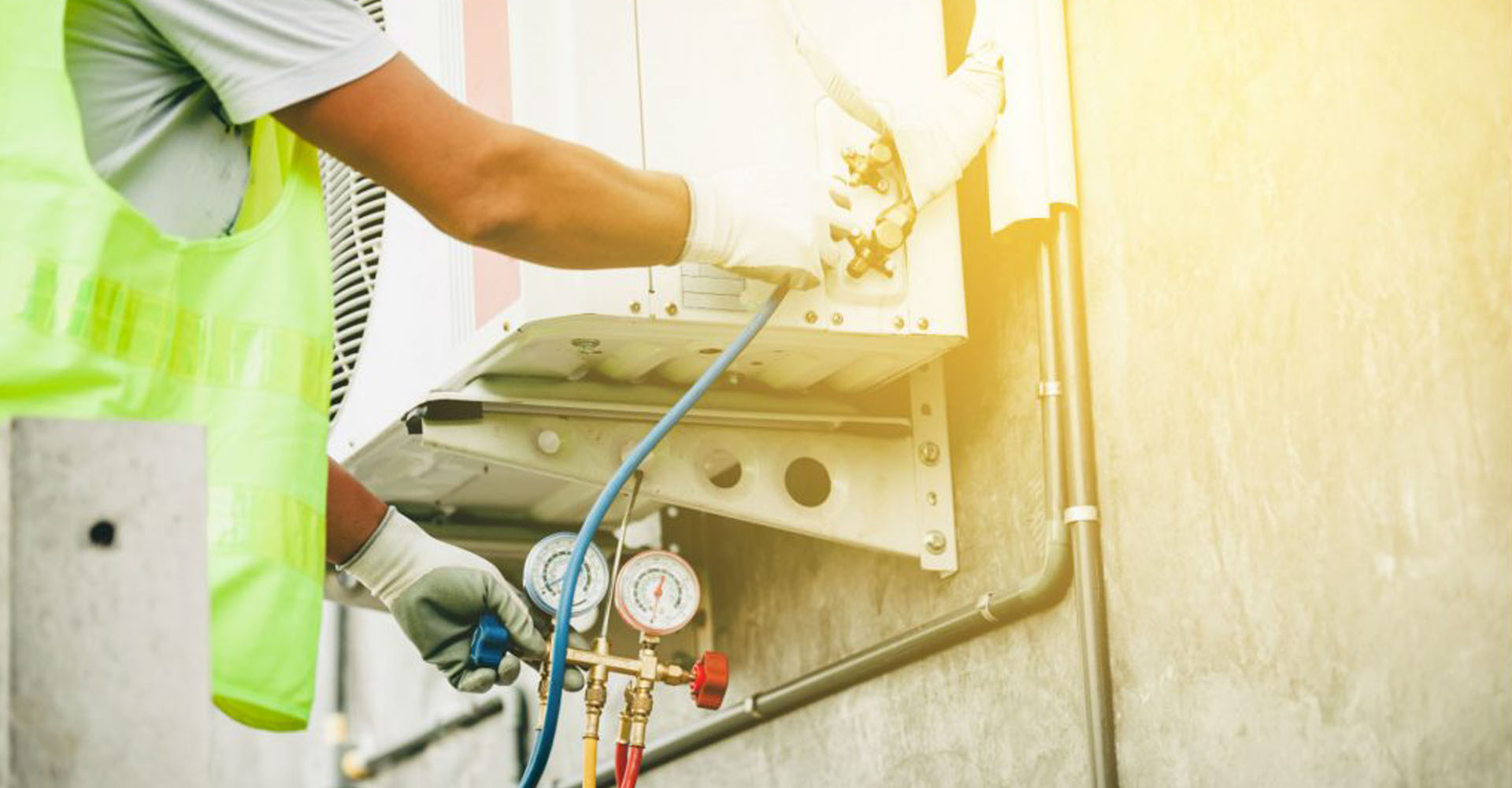
Inspect the Refrigerant Levels: Have a professional check the refrigerant levels and look for any leaks.
Evaluate the Size of Your Air Conditioner: Ensure that your air conditioner is appropriately sized for your space.
Check for Electrical Issues: Inspect the wiring and capacitors for any signs of damage or malfunction.
Examine Airflow: Check the air filters and vents for any blockages or obstructions.
Look for Frozen Coils: Inspect the evaporator coils for any signs of freezing.
Solutions to Short Cycling
Thermostat Calibration and Placement
Ensuring that your thermostat is properly calibrated and placed can help prevent short cycling. Consider the following:
- Correct Placement: Place the thermostat in a central location away from direct sunlight, windows, and doors.
- Calibration: Have a professional calibrate the thermostat to ensure accurate temperature readings.
Refrigerant Level Adjustment
Proper refrigerant levels are essential for efficient air conditioner operation. If low refrigerant levels are causing short cycling:
- Check for Leaks: Have a professional inspect the system for leaks and repair any found.
- Recharge Refrigerant: Ensure that the refrigerant is charged to the correct levels.
Correct Sizing of Air Conditioner
If your air conditioner is oversized, replacing it with a unit that is appropriately sized for your space can help prevent short cycling. Consult with a professional to determine the correct size for your needs.
Addressing Electrical Problems
Fixing electrical issues can help resolve short cycling. Consider the following:
- Repair Wiring: Have a professional inspect and repair any damaged or loose wiring.
- Replace Capacitors: If the capacitors are faulty, replace them to ensure the air conditioner starts and runs properly.
Ensuring Proper Airflow
Maintaining proper airflow is crucial for preventing short cycling. Take the following steps:
- Replace Air Filters: Regularly replace air filters to ensure they are clean and not restricting airflow.
- Unblock Vents: Ensure that all vents are unobstructed and allow free airflow.
Dealing with Frozen Evaporator Coils
If frozen evaporator coils are causing short cycling, consider the following solutions:
- Address Low Refrigerant Levels: As mentioned earlier, have a professional check and recharge the refrigerant levels.
- Improve Airflow: Ensure that air filters and vents are clean and unobstructed to improve airflow.
Preventive Measures
Preventing short cycling involves regular maintenance and care of your air conditioning system. Here are some preventive measures:
- Regular Maintenance: Schedule regular maintenance with a professional to ensure your system is in good working order.
- Replace Air Filters: Regularly replace air filters to maintain proper airflow.
- Inspect and Clean Coils: Regularly inspect and clean the evaporator and condenser coils to prevent freezing and other issues.
- Check Refrigerant Levels: Have a professional check the refrigerant levels regularly and address any leaks promptly.
- Monitor Thermostat: Ensure that the thermostat is properly calibrated and placed in an optimal location.
When to Call a Professional
While some causes of short cycling can be addressed with simple maintenance and care, others may require professional intervention. Call a professional if:
- You suspect a refrigerant leak: Leaks should be repaired by a professional to ensure proper handling of refrigerant.
- Electrical issues are suspected: Electrical problems can be dangerous and should be handled by a qualified technician.
- You are unsure of the cause: If you are unable to diagnose the cause of short cycling, a professional can provide a thorough inspection and solution.
Conclusion
Short cycling is a common issue that can significantly impact the efficiency and lifespan of your air conditioner. Understanding the causes and solutions for short cycling is essential for maintaining your air conditioning system and ensuring optimal performance. Regular maintenance and prompt attention to any issues can help prevent short cycling and keep your air conditioner running smoothly. By addressing thermostat issues, maintaining proper refrigerant levels, ensuring correct sizing, and resolving airflow problems, you can prevent short cycling and enjoy consistent, efficient cooling throughout the year.
Stop HVAC Short Cycling in Its Tracks with Superior Mechanical Services
Is your HVAC system constantly turning on and off? This short cycling can lead to inefficient cooling, increased energy bills, and potential system damage. Don’t wait—reach out for professional HVAC repair immediately. Since 1948, Superior Mechanical Services, Inc. has been the trusted choice for residential and commercial customers in need of reliable HVAC repairs. Rest assured, our work is guaranteed to restore your comfort and help you save on monthly energy bills. Don’t hesitate—when in doubt, give us a call. It’s better to be safe than sorry.
At Superior Mechanical Services, Inc., we take pride in our certified technicians who specialize in all things HVAC, from hot water heater installation to maintenance and repair. When you choose us, you’re selecting a team that handles every aspect of your project with meticulous care and efficiency. We follow a comprehensive checklist to guide and test each step, ensuring your system is installed correctly and operates at peak performance.
No need to worry about being left in the dark when it comes to maintaining your HVAC system. We’re here to provide you with expert tips and advice, ensuring that your cooling system runs smoothly for years to come.
Don’t endure another day of inefficiency and discomfort! Say goodbye to short cycling issues and reach out to Superior Mechanical Services today to schedule your HVAC repair. Get ready for an amazing service experience that will have your system running efficiently and your home comfortable again!